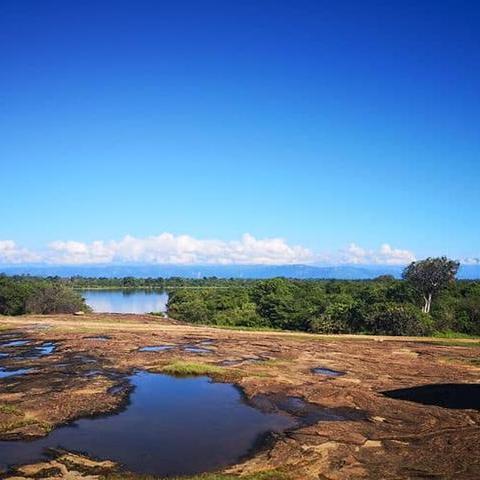
Udawalawe National Park is a national park on the boundary of Sabaragamuwa and Uva Provinces in Sri Lanka. Plains dominate the topography, though there are also some mountainous areas.
History & Heritage
Udawalawe National Park was established in 1972 to protect the catchment area of the Udawalawe Reservoir, which had been built in 1967 for irrigation purposes. The construction of the reservoir led to the flooding of large areas, displacing local wildlife. In response to this environmental change and the growing threat to wildlife in the region, the Sri Lankan government designated the area as a national park to protect its diverse ecosystems and wildlife.
Geography & Climate
Udawalawe National Park encompasses open plains, grasslands, scrubland, and the expansive Udawalawe Reservoir, which creates productive wetlands and supports a diverse array of dry-zone wildlife. Located across the Sabaragamuwa and Uva Provinces, the park experiences a warm tropical climate with temperatures ranging from 25 to 30°C, influenced by seasonal monsoons. A distinct dry season enhances wildlife visibility, while the wet season brings lush, green landscapes and increased rainfall.
Rich Ecosystems
Lorem ipsum dolor sit amet, consectetur adipiscing elit. Ut elit tellus, luctus nec ullamcorper mattis, pulvinar dapibus leo.
Rich Ecosystems
Lorem ipsum dolor sit amet, consectetur adipiscing elit. Ut elit tellus, luctus nec ullamcorper mattis, pulvinar dapibus leo.
Rich Ecosystems
Lorem ipsum dolor sit amet, consectetur adipiscing elit. Ut elit tellus, luctus nec ullamcorper mattis, pulvinar dapibus leo.
Rich Ecosystems
Lorem ipsum dolor sit amet, consectetur adipiscing elit. Ut elit tellus, luctus nec ullamcorper mattis, pulvinar dapibus leo.
Wildlife & Biodiversity
Discover the incredible variety of life that calls our park home. From majestic mammals to vibrant birdlife, reptiles, and unique plant species.
Mammals
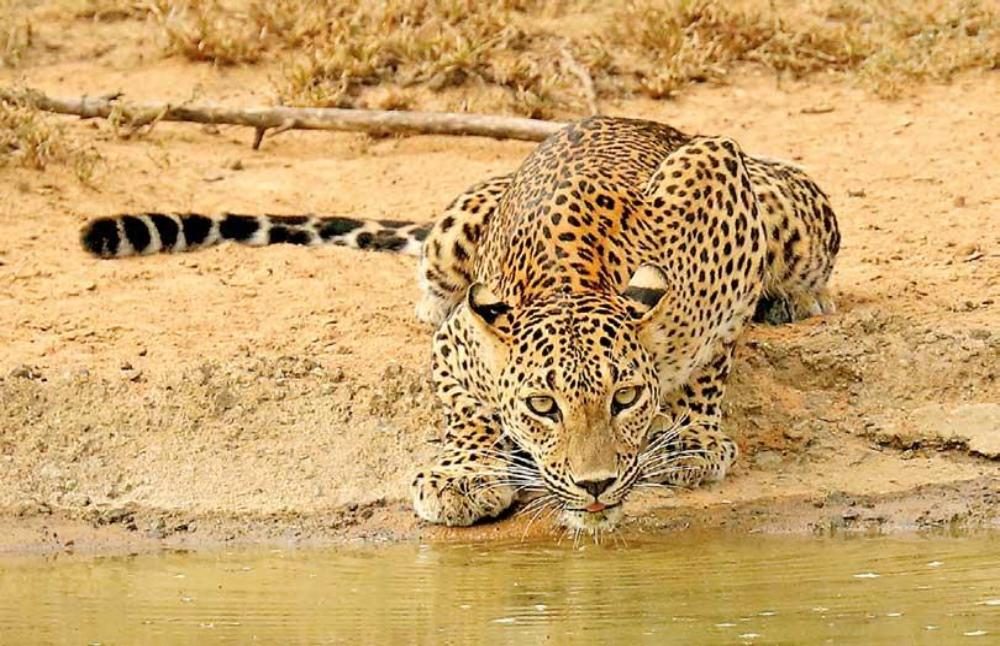
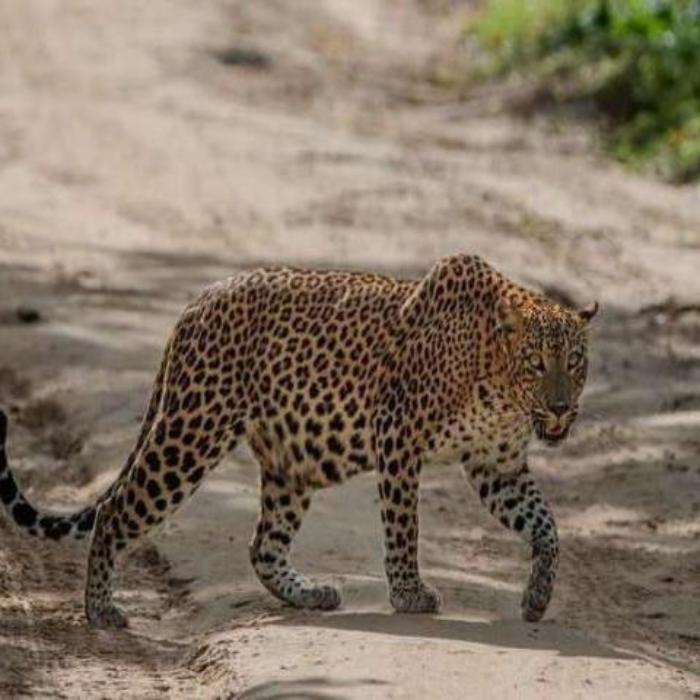
Leopard
Excellent climber, a big cat that reigns gracefully as the island’s most elusive predator.
Birds
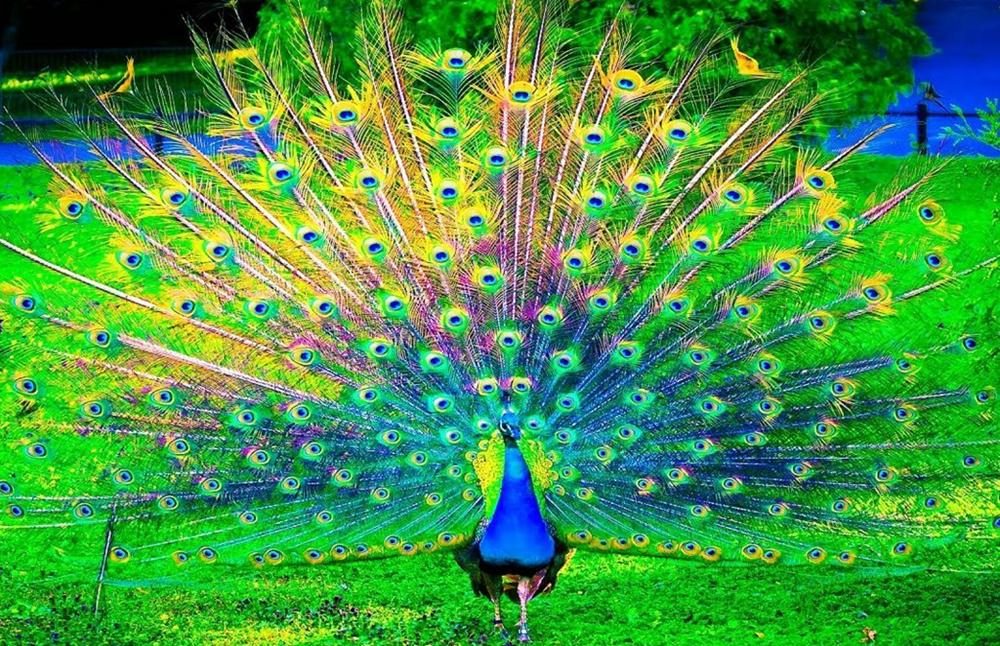
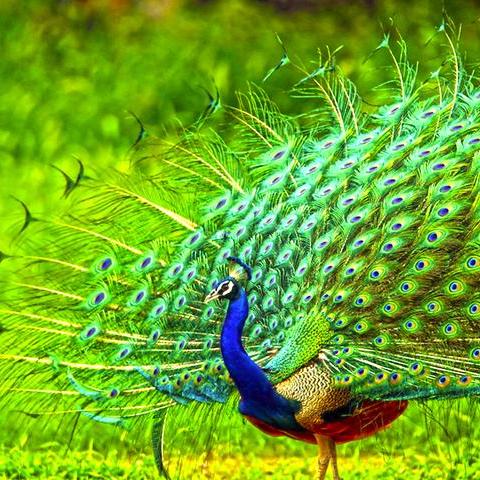
Peacock
Sri Lankan peacock dazzles viewers with vibrant plumage shimmering under tropical sunlight.
Birds
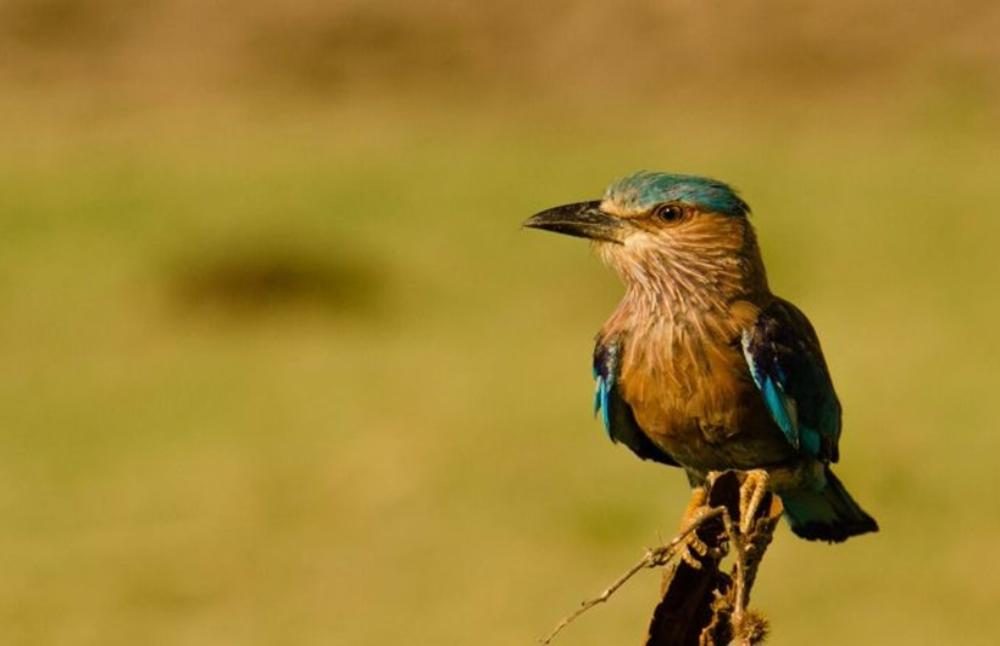
Udawalawe Safaris
a common breeding resident found throughout the lowlands of Sri Lanka and India, and across Southeast Asia.
Birds
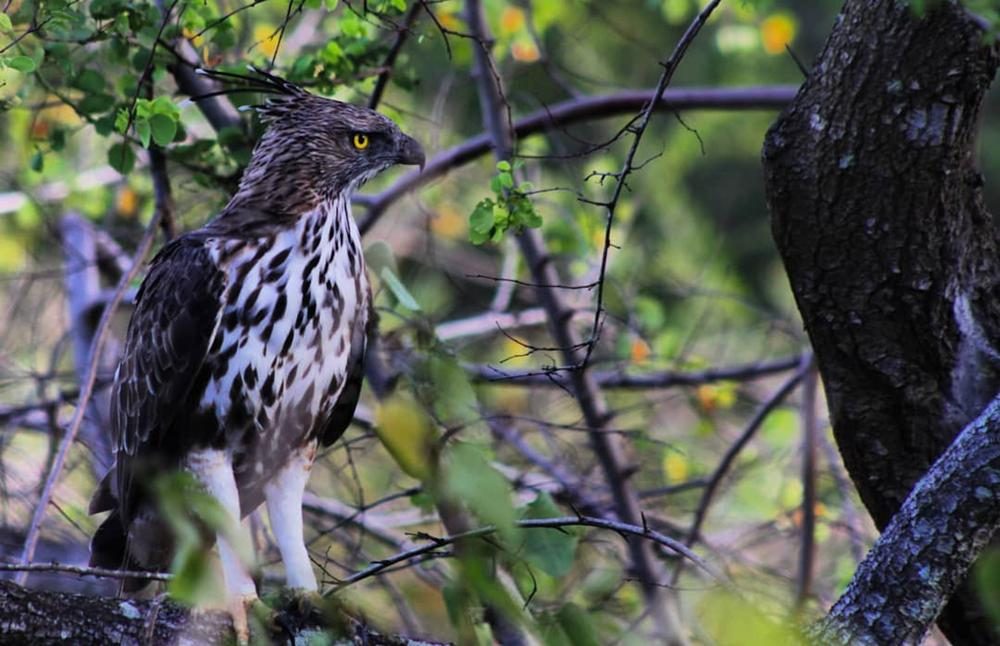
The changeable hawk-eagl
The changeable hawk-eagle (Nisaetus cirrhatus) or crested hawk-eagle is a large bird of prey species of the family Accipitridae.
Reptile
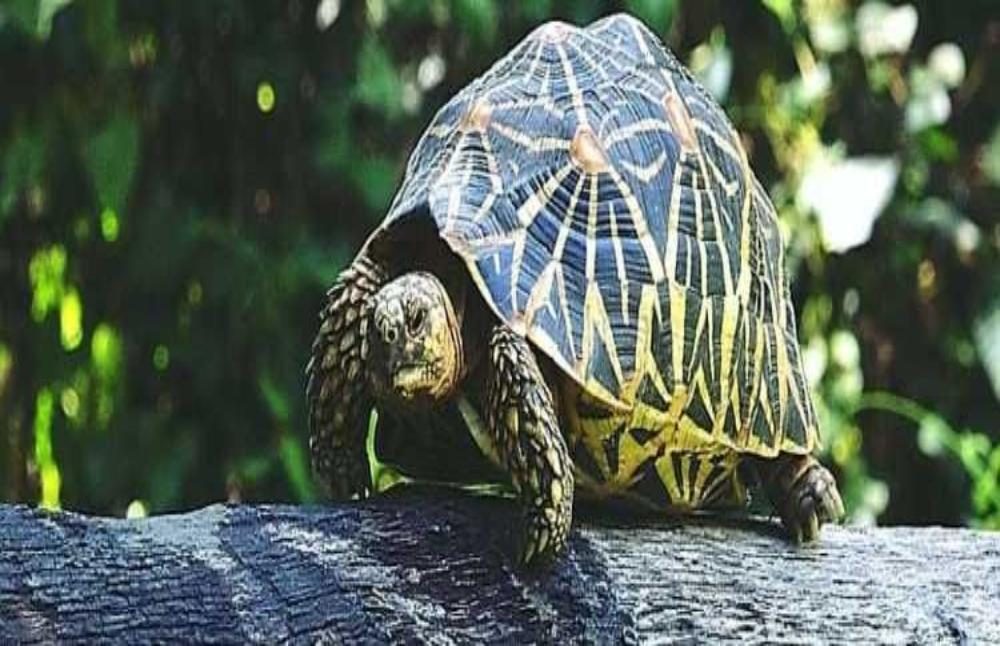
Star Tortoise
Known locally as the rilawa,a golden-brown monkey recognized by a cap-like whorl of hair.
Mammals
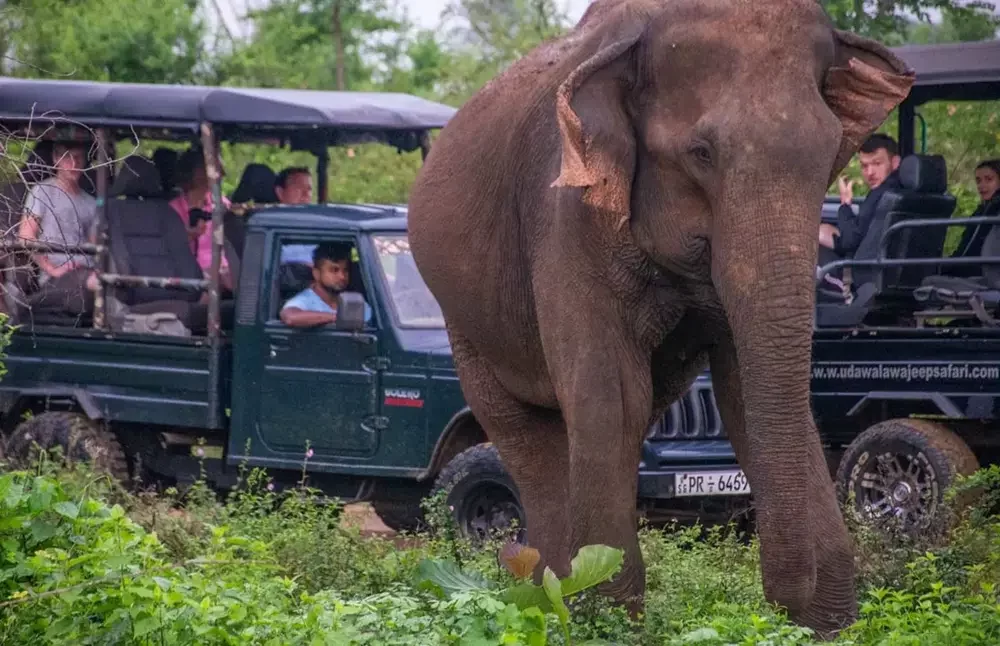
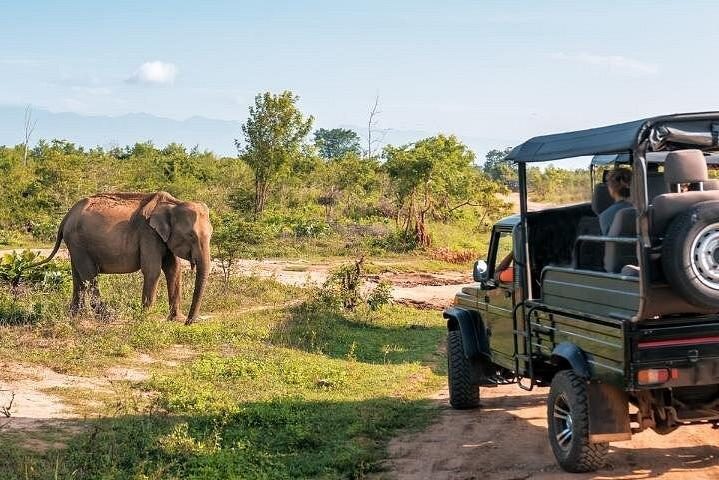
Elephant
The largest species of Sri Lanka and they are native to Sri Lanka and are an endangered species.
Visitor Information
Plan your perfect visit with all the essential information you need for an unforgettable experience
Open Hours
Opening Hours- daily from 6.00 A.M to 6.00 P.M
Morning Safari: Around 6:00 AM to 10:00 AM/11:00 AM
Afternoon Safari: Around 2:00 PM to 6:00 PM
Important: Very rarely, short-term closures may occur for maintenance or safety during extreme weather..
Entry Fees
• Entrance Fee (Foreigners):
~$25–30 USD (Fee may vary slightly depending on government adjustments.).
Eco-lodges & Nature Resorts: Kottawatta Village, Nil Diya Mankada Safari Lodge, Big Game Camp Udawalawe Mid-Range Hotels: Found mainly in Udawalawe town & Thanamalwila area Budget Guesthouses & Hostels: Common near the park entrance Luxury Glamping: Safari-style tents with comfort amenities
Experience & Activities
Immerse yourself in nature through a variety of adventures tailored for all interests and fitness levels.
3-4 hours
Wildlife Safari
Full day
Photography Tours
Full day
Camping Adventures
Gallery & Media
Explore stunning moments captured in the park – from breathtaking landscapes to intimate wildlife encounters.
Contact us
Get in touch with us for inquiries, or to learn more about how you can support our conservation efforts.
Udawalawe lies on the boundary of Sri Lanka’s wet and dry zones. Plains dominate the topography, though there are also some mountainous areas. The Kalthota Range and Diyawini Falls are in the north of the park, and the outcrops of Bambaragala and Reminikotha lie within it. The park has an annual rainfall of 1,500 millimetres (59 in), most of which falls during the months of October to January and March to May.